 EN
EN
Quick Links

Automotive Grade
Section 1: Resonance with Industry Pain Points
• The automotive-grade environment is stringent, and without professional certification, it is difficult to enter the OEM supply chain;
• The supply chain has multiple layers, with mixed batches of materials, broken traceability links, and difficulties in tracing the source of failures. ISO 26262 functional safety requirements;
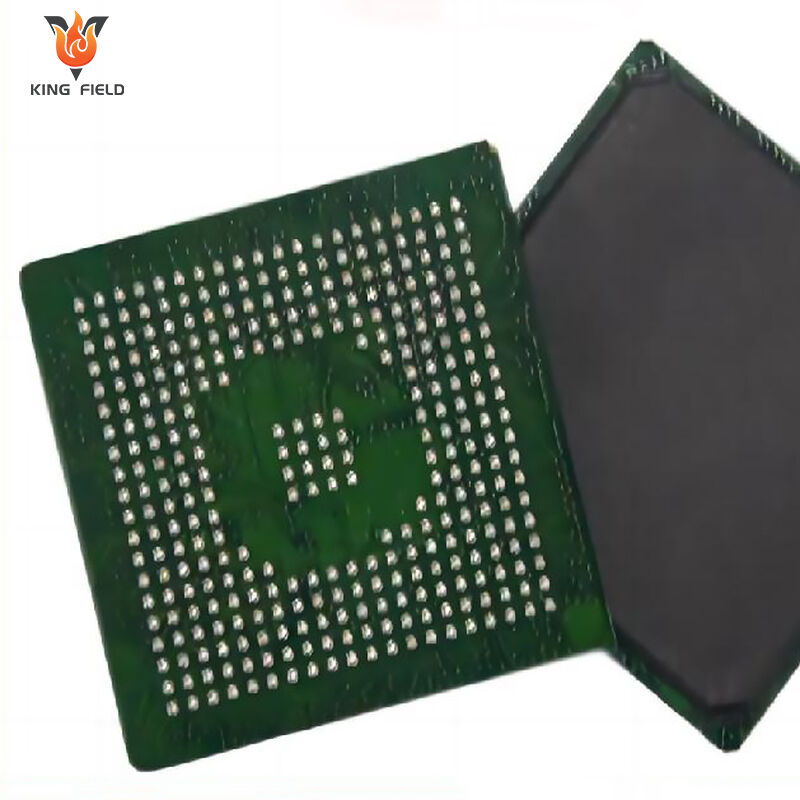
• Poor soldering process stability (BGA/CSP packaging). High risk of poor soldering and thermal deformation, batch repairs are costly and impact delivery cycles;
• Shortage of automotive-grade components Materials must be traceable.
Section 2, Our Industry Solutions
• Precision manufacturing assurance: Utilizing nitrogen reflow soldering, 3D SPI+X-Ray inspection perform HALT high-accelerated life testing and vibration testing, and verify via CAN/LIN bus communication.
• Manufacturing stage: SMT placement accuracy ±0.025mm, using SAC305 lead-free solder, it meets the requirements IATF 16949 System Requirements
• Environmental Tolerance Enhancement: Select automotive-grade dedicated components, optimize PCB structure design and soldering process, and conduct comprehensive testing including high and low temperature cycling, vibration, and chemical corrosion.
• Supply chain assurance: Establish a global procurement network for automotive-grade components, enabling 72-hour global order fulfillment and ensuring long-term supply stability.
Section 3, Real-world Project Cases
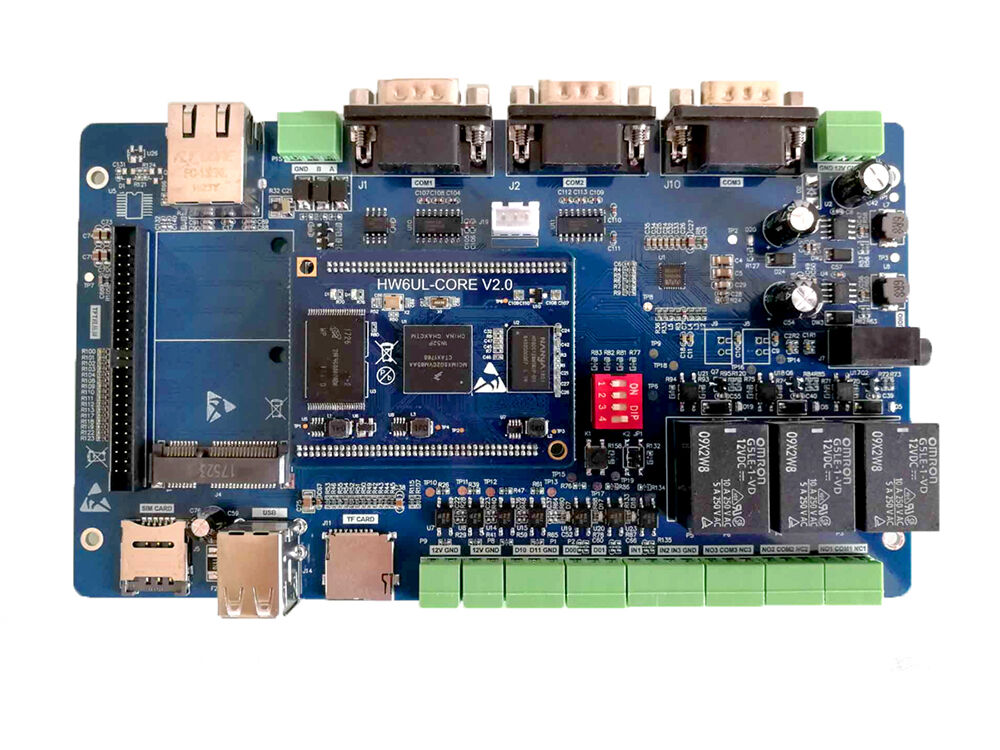
New Energy Vehicle Three-Electric System : New Energy Vehicle Customer Development BMS PCBA. The product passed AEC-Q200 Certification, supports monitoring of 200 battery cells.SOC accuracy ±3% with a cumulative shipment of 200,000 units, Kingfield successfully entered the customer's supply chain by optimizing PCB grounding design and selecting automotive-grade chips and high-temperature resistant substrates, passing all tests on the first attempt.
Section 4, Authoritative Certificates
• pass ISO 9001/TS 16949 automotive industry quality management system certification, products comply with ISO 26262 ASIL-D Functional safety requirements
• IATF 16949 automotive industry quality management system certification. AEC-Q100 automotive-grade certification for components
• EMC Electromagnetic compatibility testing and certification, automotive-grade environmental reliability testing and certification
• Services 120+ Automotive electronics company, with a repurchase rate of 92%.
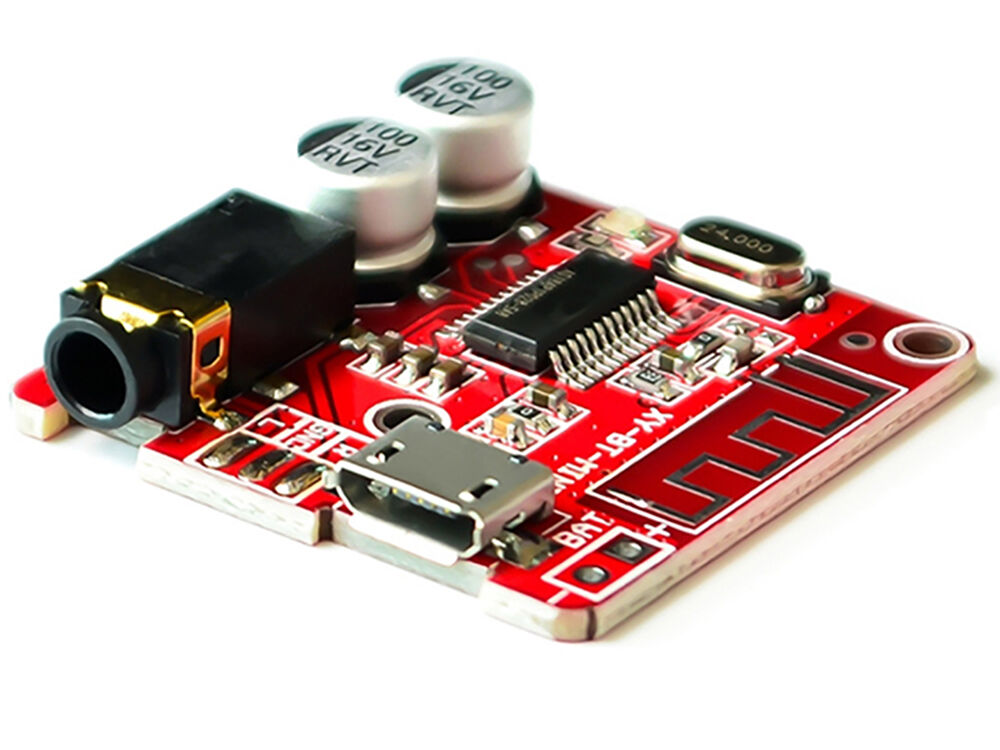
| 5 technical indicators | 1. Temperature shock resistance: Impedance change <5% after 1000 cycles at -55℃ to +150℃. | |
| 2. Vibration protection level: 10-2000Hz. No solder detachment or performance degradation under random vibration. | ||
| 3. Welding yield: ≥99.5%, with stability ensured through SPC statistical process control. | ||
| 4. Chemical corrosion resistance: No stratification or damage after immersion in gasoline and antifreeze for 72 hours. | ||
|
5. Local copper thickness: up to 6oz, using buried copper block technology to improve heat dissipation efficiency. |
||
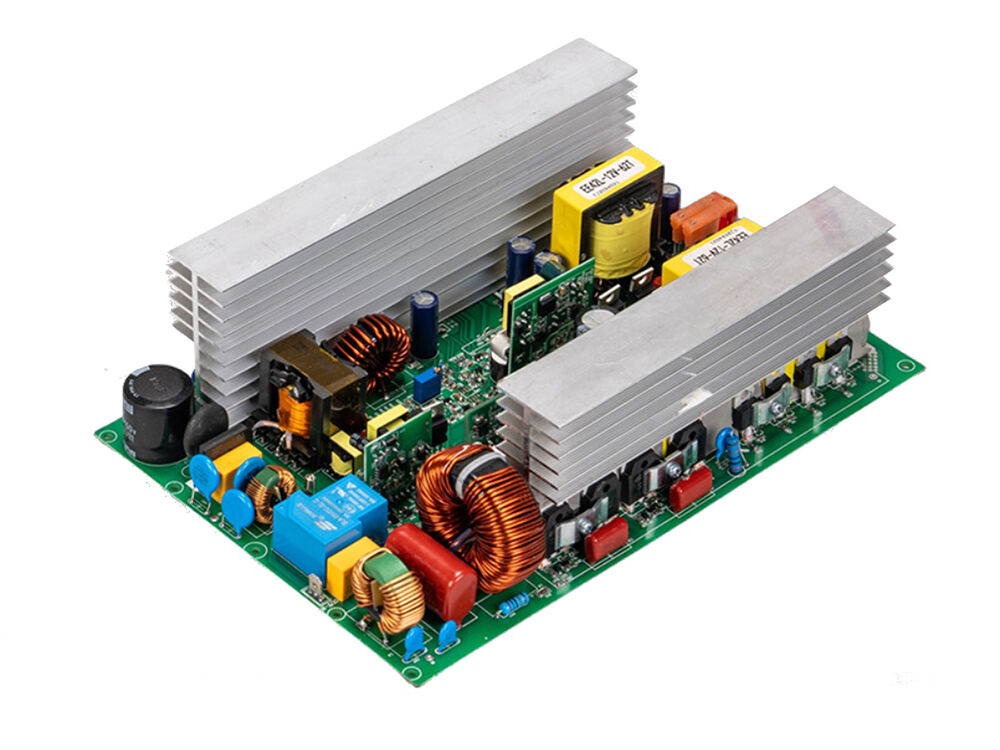
| 3 industry pain points | 1. It must meet multiple automotive-grade certifications such as IATF16949 and ISO26262, which are difficult for ordinary industrial-grade products to meet. | |
| 2. The vehicle environment experiences large temperature fluctuations and severe vibrations, placing extremely high demands on the impact resistance and high-temperature resistance of PCBAs. | ||
| 3. The product has a long life cycle (usually more than 10 years), requiring assurance of long-term operational reliability and continuous material supply. | ||