 EN
EN
Quick Links
Printed circuit boards (PCBs) are the backbone of modern electronics—powering everything from computers and smartphones to industrial controls and life-saving medical devices. That’s why your choice of a PCB manufacturer isn’t just a sourcing decision; it can directly affect your product quality, development speed, and business reputation. In a crowded global market of circuit board manufacturers, how can engineers, buyers, and electronics companies differentiate true partners from risky vendors?
Many businesses discover—sometimes too late—that poor selection can result in missed production deadlines, unexpected costs, rampant quality control issues, and even product recalls due to faulty or unreliable boards. Finding the best PCB manufacturer for your needs means looking beyond flashy marketing claims or rock-bottom offshore pricing. Instead, you should assess expertise, manufacturing capabilities, certifications, support infrastructure, and long-term reliability. The consequences of a bad decision can be costly:
|
PCB Production Failure |
Business Impact |
|
Low-quality fabrication |
Field failures, costly recalls |
|
Missed quickturn lead times |
Project delays, missed market windows |
|
Inconsistent assembly |
Higher returns, warranty costs |
|
Poor DFM guidance |
Redesigns, extra engineering time, communication headaches |
Purpose of This Guide: This comprehensive article walks you through everything to check before ordering from a PCB manufacturing partner—especially if you need quickturn prototypes, HDI PCBs, complex flex/rigid-flex boards, or require rapid scaling from prototype to production. Whether you’re an engineer at a startup preparing your first quick-turn PCB prototype, a procurement manager comparing domestic and overseas PCB suppliers, or an established OEM ready to improve supply reliability, you’ll find actionable advice and industry best practices inside.
Throughout this post, we’ll spotlight key criteria for choosing between PCB manufacturers—including those offering advanced designs like HDI PCB, flex PCB, and microelectronics PCBs. We’ll highlight questions to ask, facts to demand, and red flags to avoid—so you can confidently choose a vendor and build a partnership that streamlines PCB fabrication, PCB assembly, and product delivery.
Choosing the best PCB manufacturer involves more than comparing prices or checking availability. High-reliability electronics demand a manufacturing partner who can align with your project requirements for technology, delivery, quality, and support—every step of the way, from rapid PCB prototyping to final PCB assembly and scaling up production. Let’s explore the most critical factors.
Quality is the cornerstone of a successful PCB production partnership. A reputable printed circuit board manufacturer will have robust quality assurance (QA) systems and hold recognized certifications—key signals that their processes are controlled, documented, and validated by external agencies.
Top Certifications to Look For:
Why QA and Certification Matter: Statistics show that OEMs who strictly vet certifications experience 40% fewer field failures and warranty returns. This is not just about getting a document—it’s about choosing a partner who invests in careful inspection, AOI (Automated Optical Inspection), in-circuit testing, and even long-term stress simulation for mission-critical designs.
The best PCB fabrication partners offer more than just standard double-sided boards. As electronics grow in complexity, your project might require HDI PCB with micro vias and blind/buried via structures, fine-pitch BGA footprints, flex or rigid-flex PCBs, heavy copper for high current, or controlled impedance for high-speed signals.
Key Capabilities Checklist:
Table: PCB Manufacturer Capabilities Comparison Example
|
Capability |
Standard PCB House |
Advanced Manufacturer (e.g., Sierra Circuits / Proto Express) |
|
Layers Supported |
2–4 |
2–32+ (HDI, microelectronics) |
|
Min. Via Size |
16 mil |
4–8 mil micro vias (laser/controlled depth) |
|
Flex/Rigid-Flex |
No |
Yes (customized stack-ups) |
|
Online DFM Tools |
Rare |
Yes |
|
Lead Times |
7–14 days |
1–5 days (quick turn PCBs) |
|
Certifications |
Occasional |
Full set: ISO, UL, IPC, RoHS |
A proven PCB supplier’s reputation can often tell you more than any sales brochure. The best partners have years—even decades—of experience and a track record of meeting demanding requirements for sectors like aerospace, automotive, medical, and industrial controls.
What to Look For:
Case Study: Imagineering, a Chicago-based PCB manufacturer, highlights over 30 years of experience and an expansive customer base. Their testimonials stress on-time delivery and a willingness to customize materials and assembly—key factors that contributed to securing contracts for projects as diverse as NASA’s Sensor Web Instruments and high-reliability industrial controllers.
Prototyping is all about speed. The right circuit board manufacturer will not only deliver your first articles quickly but scale with you from single units to bulk runs, without missing a beat on quality or support.
Considerations:
Table: Typical PCB Lead Times by Board Type
|
PCB Type |
Prototype Lead Time |
Production Lead Time |
Quickturn Service |
|
2-Layer |
1–3 days |
7–10 days |
Yes |
|
4- to 8-Layer |
3–7 days |
10–14 days |
Yes |
|
HDI / Microvias |
4–10 days |
2–3 weeks |
Yes (limited) |
|
Flex / Rigid-flex |
5–12 days |
2–4 weeks |
Yes (premium) |
Tip: Use instant quoting tools to compare delivery dates transparently.
It’s tempting to chase the absolute lowest price, especially with the allure of offshore PCB suppliers in China or Taiwan. However, experienced buyers look for transparent, itemized quotes—understanding the value of high-quality, quick-onboarding, and long-term cost savings via fewer errors and returns.
Cost Comparison Factors:
A trustworthy PCB manufacturer builds redundancy into their supply chain and is transparent about scheduling. On-time delivery is non-negotiable for most electronics companies who aim to capture fast-moving markets or meet regulatory certification deadlines.
Perhaps the least measurable, but most impactful, difference between PCB suppliers is the quality and accessibility of their support. Even high-tech, low-cost board houses are of limited use if you can’t reach them when you face urgent engineering or delivery challenges.
What Makes for Good Customer Service?
Sample Customer Service Scenarios:
|
Scenario |
Positive Partner Response |
Poor Partner Response |
|
Last-minute design change |
DFM review, rapid quote update, clear ETA |
No reply for 48+ hours, missed delivery |
|
File error in Gerber upload |
Proactive call + checklist to fix |
Order on hold, no notice to customer |
|
Urgent prototype need |
Quickturn solution, expedited shipping option |
No flexibility, stock reply |
Selecting the right PCB manufacturer is not just about what they claim on their website—it’s about what they can prove. To ensure your PCB fabrication and assembly projects are a success, asking targeted, technical questions is your best strategy to verify that a supplier aligns with your requirements for quality, speed, support, and long-term partnership. Here are essential questions that every electronics engineer, purchasing manager, or startup founder should ask during the PCB supplier vetting process:
Sample Table: On-Time Delivery Performance
|
Project Type |
Promised Lead Time |
Actual Lead Time |
On-Time Delivery Rate |
|
Standard 2-layer proto |
2 days |
2 days |
98% |
|
10-layer HDI quickturn |
5 days |
6 days |
88% |
|
Flex PCB, prototype |
4 days |
4 days |
95% |
Quick Checklist:
The right PCB manufacturer is not just a component supplier—they are a critical extension of your engineering and production teams. A great PCB fabrication partner acts like a referee in a championship game: their work is thorough and invisible, allowing your innovations to shine. When your circuit board manufacturer delivers on time, with the highest quality, and anticipates your future needs, business operations become not just smoother, but more profitable and resilient.
An experienced, high-quality PCB manufacturer will keep your entire product lifecycle moving forward. Here’s how:
Example Table: The Impact of a High-Quality PCB Partner
|
Benefit |
Description |
Business Impact |
|
On-Time Delivery |
>95% of orders shipped as scheduled; quickturn options for urgent |
Faster launch, no costly production churn |
|
Fewer Quality Issues |
IPC, UL, ISO certified, AOI inspection, serial stress-testing |
Lower warranty claims, fewer RMAs |
|
Seamless Prototype-to-Production |
Prototype and full builds on same lines, same materials |
Reliable scaling, easy process validation |
|
Design for Manufacturability |
DFM handbook, online stack-up tools, proactive layout feedback |
Better yield, lower cost per unit |
|
First-Call Technical Support |
In-house engineers, digital portals, instant quoting |
Minimal lost time, lower op-ex |
Good PCB suppliers help you save money not by merely offering the lowest quote, but by enabling operational and supply chain efficiency:
The ultimate test of a PCB manufacturer’s value is the field performance of your products. High-reliability boards—whether for consumer, medical, industrial, or aerospace applications—demand thorough testing. The best suppliers invest in:
Sierra Circuits / ProtoExpress is a prime example of a PCB fabricator that goes beyond “on-time delivery”:
|
Feature |
Business Value |
|
Rapid prototypes |
Faster time-to-market |
|
On-time high-volume production |
Revenue growth consistency |
|
One-stop DFM + assembly + test |
Reduced engineering costs |
|
Data-driven quality program |
Long-term trust and market share |
Even the most impressive PCB manufacturer can falter if their promises aren’t backed by verifiable data and documentation. Before moving forward with a supplier—especially for complex or high-stake projects—take serious steps to verify claims about quality, reliability, capabilities, and customer support. By doing so, you significantly reduce the risk of costly delays, substandard boards, or ongoing service headaches. Here’s how to approach this evaluation with professional rigor:
A reputable printed circuit board manufacturer should provide certificates without hesitation. Key accreditations to check include:
Table: Sample Certification Checklist
|
Certification |
Required For |
How to Verify |
|
ISO 9001 |
General, all industries |
Ask for current certificate, check expiration date |
|
IPC-A-6012 |
Rigid, HDI PCBs |
Request training records of QA/inspection staff |
|
UL |
Consumer, safety-critical |
Look up file number on UL’s public certification site |
|
RoHS |
Export, EU compliance |
Request material declaration documents |
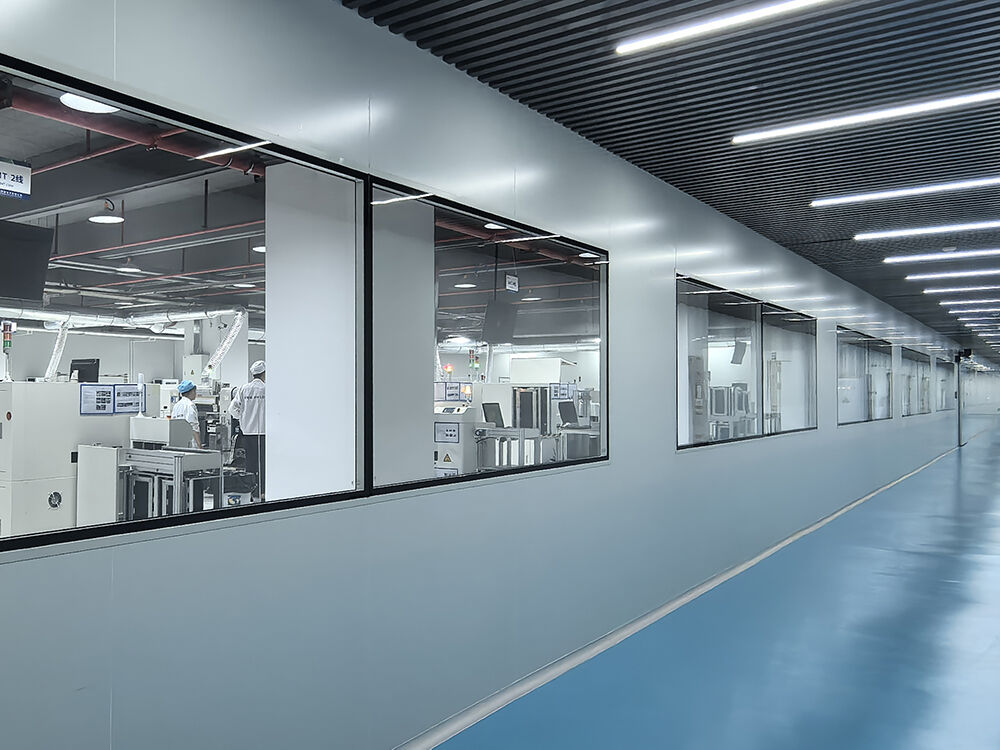
A physical or virtual facility tour is invaluable for confirming a PCB fabricator’s real-world capabilities. Even if travel isn’t practical, established PCB suppliers like Sierra Circuits / ProtoExpress offer video walkthroughs, real-time photo updates, and live engineering Q&A sessions.
What to Look For:
Checklist:
While sales teams can make any supplier sound perfect, unbiased feedback tells the real story. Reputable PCB suppliers should be able to provide:
Sample Table: What to Look for in Customer References
|
Resource |
What It Should Show |
Red Flag |
|
Case Studies |
Project type, timeline, DFM story, on-time data |
Vague or missing details |
|
Testimonials |
Specific names, industries, technical context |
Anonymous/no context |
|
BBB or Google Reviews |
Consistent ratings, resolution of complaints |
Pattern of delivery issues |
If feasible, request a few sample boards representing your application or technology (e.g., flex, HDI, rigid-flex, high frequency). Reviewing actual products—ideally with your assembly or test house—allows you to check:
Try submitting a complex RFQ or DFM question, and track:
World-class PCB manufacturers supplement great service with robust online platforms:
Summary Table: Steps to Verify PCB Manufacturer Claims
|
Verification Step |
Outcome |
|
Validate certifications |
Confirm high standards and legal compliance |
|
Audit facility (virtual/live) |
Reveal real capabilities, process discipline |
|
Review case studies/reviews |
Assess reliability, red-flag patterns |
|
Inspect sample boards |
Prove quality, DFM discipline |
|
Test tech/support access |
Reveal depth, agility, and transparency |
As you move from vetting to onboarding, remember: investing a few extra hours in due diligence can save months of headaches and tens of thousands in costs over your product’s lifecycle.
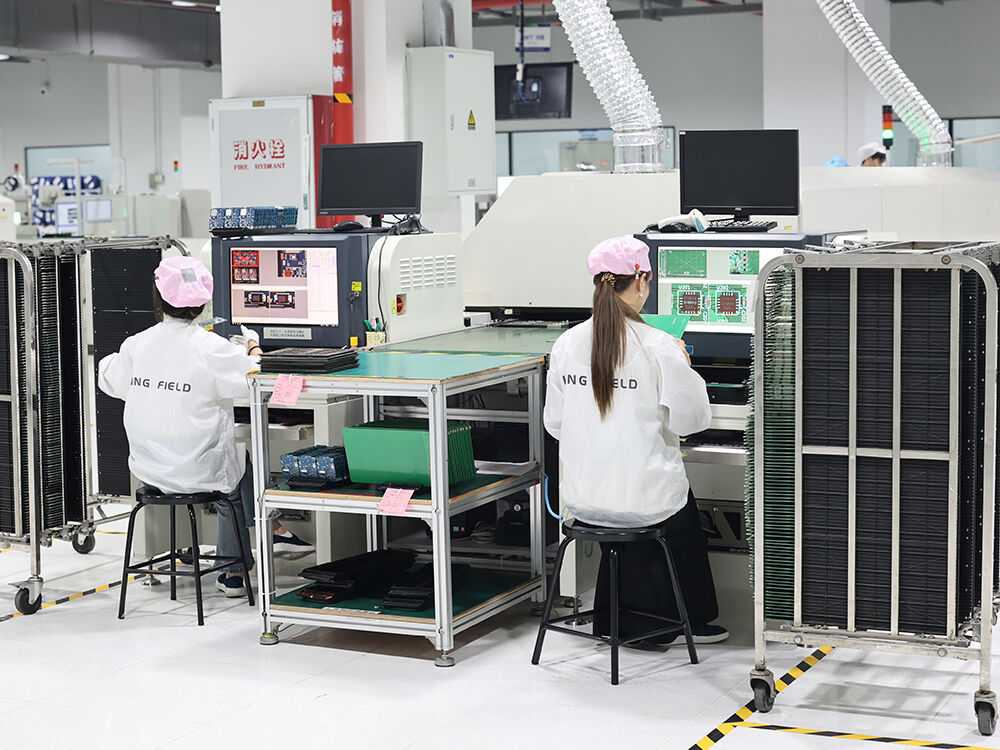
Choosing the best PCB manufacturer for your prototype or production run should never be a leap of faith. A systematic, criteria-driven approach ensures you partner with a supplier who delivers not only competitive pricing but also reliability, quality, and engineering support at every stage. Below is a comprehensive PCB manufacturer selection checklist you can use to qualify and compare potential suppliers—whether you’re sourcing quickturn PCBs, HDI circuits, flex/rigid-flex assemblies, or high-volume production boards.
|
Selection Criteria |
What to Look For |
Red Flags |
|
Certifications |
ISO 9001, UL, RoHS, IPC (A-600/A-610/6012), industry-specific (AS9100, ITAR, TS 16949) |
Expired, generic, or “pending” |
|
Fabrication Capabilities |
HDI/micro-vias, fine trace/space, flex/rigid-flex, controlled impedance, SMT, BGA, prototype and bulk production, online DFM analysis |
Inconsistent processes, no DFM |
|
Quality Control |
AOI, flying probe/X-ray, traceability, serialization, failure rate documentation, automated DFM and assembly checklist |
High repair/rework rates |
|
Experience |
5+ years in business, proven history with quickturn PCBs, customer case studies from your industry |
No references or unverified claims |
|
Prototyping Support |
Rapid quoting, fast lead times, support for last-minute design changes, instant quoting/online tools |
Slow, unresponsive, no flexibility |
|
Price Transparency |
Itemized, no hidden fees; clear turnaround time/pricing tiers for different volumes |
Vague or changing quotes |
|
On-Time Delivery |
95%+ on-time record, evidence of bulk and rush delivery performance |
Pattern of late shipments |
|
Customer Service |
In-house, local or timezone-aligned, English/your language fluency, single point of contact, fast escalation capability |
Outsourced/brokered, hard-to-reach |
|
Technical Support |
DFM resources, stack-up/material selector tools, layout feedback, quick access to engineering team, downloadable design for manufacturability handbook |
No technical interface |
|
Scalability |
Prototype (MOQ=1) to 100,000+ units, same standards and processes; seamless prototype to production transition |
Requires supplier switchovers |
|
Digital Tools |
Online quoting, project tracking, DFM checker, order status portal |
Manual-only workflow |
Whenever possible, select a board house that can transition you from initial design to prototype, qualification, and volume production without swapping suppliers. Consistency across runs means better process control, fewer surprises, and much faster time-to-market.
Checklist: Things to Review/Print/Bookmark
While this guide provides an in-depth overview of how to choose the best PCB manufacturer, continued learning and access to up-to-date tools are essential for staying ahead in the electronics industry. Below is a curated list of resources, tools, handbooks, and related articles to deepen your understanding of PCB fabrication, design for manufacturability (DFM), assembly, and advanced technology options.
Selecting the right PCB manufacturer is a decision that touches every part of your business—from engineering innovation and production speed to product reliability and cost control. As we’ve explored, the stakes are high: teaming with the wrong PCB fabrication partner can open the door to missed deadlines, costly field failures, spiraling development budgets, and endless support headaches. On the other hand, building a strategic partnership with a proven PCB supplier—one that delivers reliable quickturn PCB prototypes, scales effortlessly to volume production, and offers deep engineering support—will accelerate your time-to-market, maximize yield, safeguard your brand’s reputation, and directly support growth.
Remember, the best circuit board manufacturer goes beyond low prices. They offer:
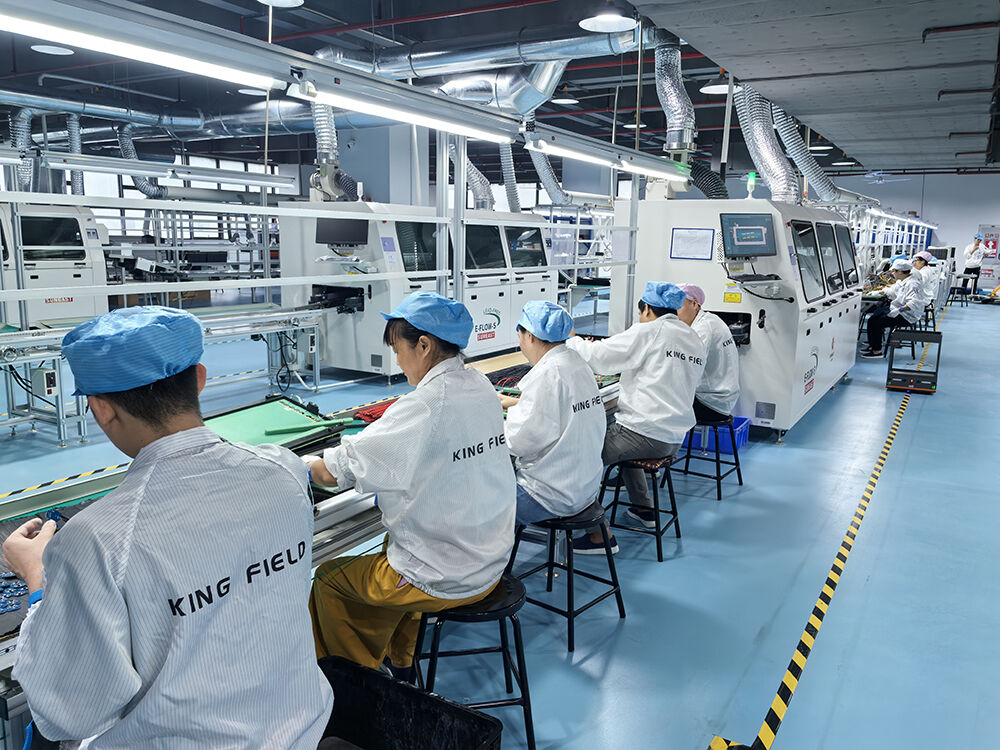
Always ensure your PCB manufacturer holds internationally recognized certifications such as ISO 9001 (quality management), IPC-A-600 and IPC-A-610 (PCB and assembly workmanship), UL certification (safety compliance), and RoHS compliance (environmental safety). For industry-specific applications, look for AS9100 (aerospace), ISO 13485 (medical), or ITAR registration (defense). These certifications guarantee that the manufacturer’s processes, materials, and final products meet strict industry standards.
Verify quality claims by requesting up-to-date copies of all certifications, reviewing customer case studies or references, and, if possible, auditing the manufacturer’s facility. Ask for sample boards to inspect workmanship details like annular rings, trace width, and solder mask. Consult third-party review sites (BBB, Google, Trustpilot) for consistent customer feedback. Leading PCB suppliers often provide online access to test reports, quality statistics, and even virtual factory tours.
Domestic PCB suppliers (such as in the USA) offer advantages like faster prototype turnaround, more predictable lead times, direct technical support, and easier communication for DFM or emergency changes. They are less impacted by international shipping delays and tariffs. While offshore fabricators (in China or Taiwan) may provide lower pricing for volume production, the risk of longer lead times, quality misunderstandings, and less flexible support may outweigh the savings—especially for prototypes, HDI PCBs, or time-critical projects. Weigh your priorities: speed, support, and risk versus cost alone.
Key red flags include:
If multiple warning signs are present, continue your search for a more reputable PCB manufacturer.
A material selector tool helps engineers and designers select the optimal laminate and stack-up for performance needs such as signal integrity (SI), controlled impedance, and EMI/EMC mitigation. The right tool (like the one from Sierra Circuits/ProtoExpress) streamlines DFM, ensures compliance with high-speed PCB design guidelines, and reduces material cost by precisely matching your specs.
Yes—selecting a single manufacturer for both prototype and production ensures consistency in materials, stack-up, and fabrication processes. It simplifies scaling, speeds up product qualification, and eliminates costly, error-prone transitions between suppliers. Look for fabricators that support full lifecycle needs, from one-off prototypes to 100,000+ unit production runs.
A PCB broker matches projects to various external board houses, usually in other countries, and acts as an intermediary. They may offer attractive pricing but less transparency and direct engineering support. A direct manufacturer does all fabrication and assembly in-house or at a controlled, audited site, ensuring better quality assurance, faster response, more accurate DFM review, and clear accountability. Always ask directly about who builds your PCBs and where they’re made.
Engage with the technical support team at your PCB supplier—top companies provide easy access to engineers for stack-up design, DFM review, quoting, and troubleshooting. Use online resources like DFM handbooks, material selector tools, and community forums. For advanced training or upcoming seminars, check the supplier’s webinars and knowledge bases.
 Hot News
2026-01-17
2026-01-16
2026-01-15
2026-01-14
2026-01-13
2026-01-12
2026-01-09
2026-01-08