
 EN
EN
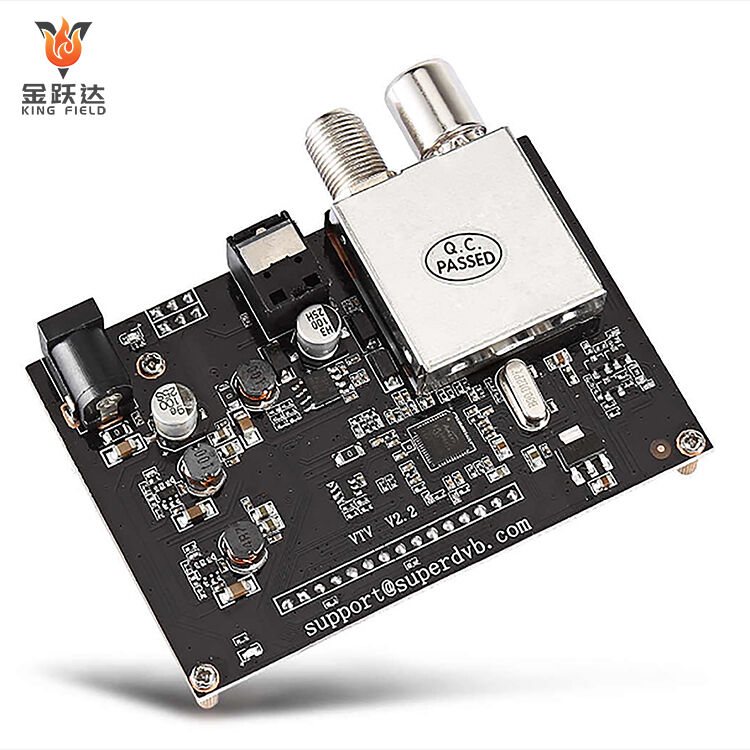
Electronic systems have become indispensable in the healthcare sector for diagnosis, monitoring, and treatment as the industry constantly changes. A dependency on the reliability of electronic components is a direct call to patient safety when it is to be in patient monitoring equipment, imaging devices, implantable and wearable medical technologies. Medical PCB assembly is at the core of these systems and is a highly specialized process that complies with very high safety, quality, and regulatory requirements. What role does medical PCB assembly play in safety and regulatory compliance? Let's dive in.
How Medical PCB Assembly Stands Apart
Use of medical devices and thus their respective electronics is fundamentally different from the use of consumer or industrial ones. The environment of a medical device, a malfunctioning circuit board can therefore be the cause of, for example, a measurement error, delay in treatment or even a fatality. Hence, medical PCB assembly has to be kept up-to-date with standards that are at least that strict but often even stricter.
Medical PCBs are a critical part of:
- Life-support and monitoring systems
- Diagnostic and imaging equipment
- Surgical instruments
- Implantable and wearable medical devices
These are very different types of applications, but they require a high degree of electrical performance, mechanical durability, and biological tolerance. All factors that drive the design, assembly, and testing of the PCBs.
Compliance with International Medical Standards
The major reason behind medical PCB assembly to ensure safety is the compliance with internationally accepted standards. These standards specify the requirements for design, manufacture, and testing of medical electronic products.
Main regulatory frameworks include:
- ISO 13485 – A quality management standard specifically dedicated to medical devices
- IPC-A-610 Class 3 – Criteria for the acceptability of electronic assemblies with high reliability
- IEC 60601 – A set of instructions pertaining to the safety and performance of medical electrical equipment
- FDA regulations (21 CFR Part 820) – Quality System Regulation for medical devices in the U.S.
Any reputable medical PCB assembly company such as King Field, for example, will align their process with these standards so the final output is always in compliance with the regulations, right from the first assembled board.
Controlled Manufacturing Environments
Production is the first place where safety and compliance come into play.Usually, medical PCB assemblies are done in a controlled environment setting, where the conditions are optimized to reduce contamination and process variations. Some precautions that help to prevent damage to the delicate components include the use of cleanrooms, individual workstations with ESD (electrostatic discharge) safeguard, and keeping strict control of the environment.
The temperature, humidity, and air exchange rates in the production area are all closely controlled to ensure that the soldering habits of the workers are not influenced by changing conditions and that component placement can be done reliably according to the design. It is perfectly logical that such a level of care and attention to detail should be given to medical devices which must work reliably, and often continuously, over long periods of time, without interruption.
Highly Accurate Assembly and Component Selection
The most common processes to be found in almost every medical PCB assembly are SM( surface mount technology) T and through-hole. Physical presence of components is the one part whereas their placement is the other that determines their electrical performance and is conducted mostly through an automated process, especially in medical PCB assembly. The following are just a few examples of the many benefits reaped by the medical PCB industry as a result of significant progress in microscopic imaging and electron beam lithography:
At the same time, traceability of components is just as important. Before a component can be used for a medical PCB, the component supplier must be approved, and complete documentation and batch control must be available. Should a component be implicated in a fault, it must be possible to trace and address it quickly. Regulatory compliance has this as a fundamental aspect.
Stringent Inspection and Testing Methods
Out of all manufacturing steps in medical PCB assembly testing is one of the most critical. In order to guarantee compliance and safety, different types of inspections and validation methods are conducted at different stages of the production process.
Some traditional methods used for testing and inspection are:
- Automated Optical Inspection (AOI) designed to identify defective soldering and component misplacement
- X-ray inspection for concealed components location such as BGAs and QFNs
- In-circuit testing (ICT) to check electrical performance
- Functional testing under real or simulated operating conditions
As a result of the action taken during manufacturing based on the early detection of defects, the number of devices that end in the hands of the patient after having undergone medical device PCB assembly procedures fully meet product and regulatory requirements. This is why the detection of potential issues in the manufacturing process is crucial and facilitates risk reduction.
Documentation and Full Traceability
Completion of manufacturing in accordance with regulatory standards is only one part of the picture. Documenting the entire process is equally required to be performed especially in the field of medical PCB assembly.
This paperwork can be used to support:
- Regulatory audits
- Product certifications
- Post-market surveillance and recalls
Comprehensive documentation and traceability are keys to the success of a business like King Field, which work in tight cooperation with medical device manufacturers and thus meeting both regulatory and customer requirements.
Risk Management and Continuous Improvement
A good risk management framework is one that runs through the entire product lifecycle. Effectiveness and efficiency of risk management in medical PCB assembly can be measured by the extent to which failure modes are identified and analyzed with risk reduction steps actively taken.
Alongside, the practices of continuous improvement such as process audit, failure analysis and the establishment of feedback loop not only enable manufacturers to keep pace with the changing regulations and new technologies but also allow them to maintain compliance and product safety in the long run.
The Role of an Experienced Manufacturing Partner
It is key what medical PCB assembly partner to go for. One that has been around the block and thus is familiar with not only the technical side of medical electronics but also the legal requirements is a sure bet. Combining advanced manufacturing capabilities, stringent quality control, and regulatory expertise, a partner like King Field provides medical device companies with a safe, compliant, and reliable route to market.
Conclusion
Medical PCB assembly is a key factor to the regulation compliance and ensuring the safety of healthcare devices that are becoming more and more high-tech. The process is mitigated from risk and its reliability is enhanced through the strict conformity to international standards, controlled manufacturing environments, correct assembly techniques, thorough testing, and the keeping of complete documentation. The availability of high quality medical PCB assembly will be not only a guarantee of success in terms of patient safety and regulatory but also a necessity as medical technology brings along more and more complex devices.