
 EN
EN
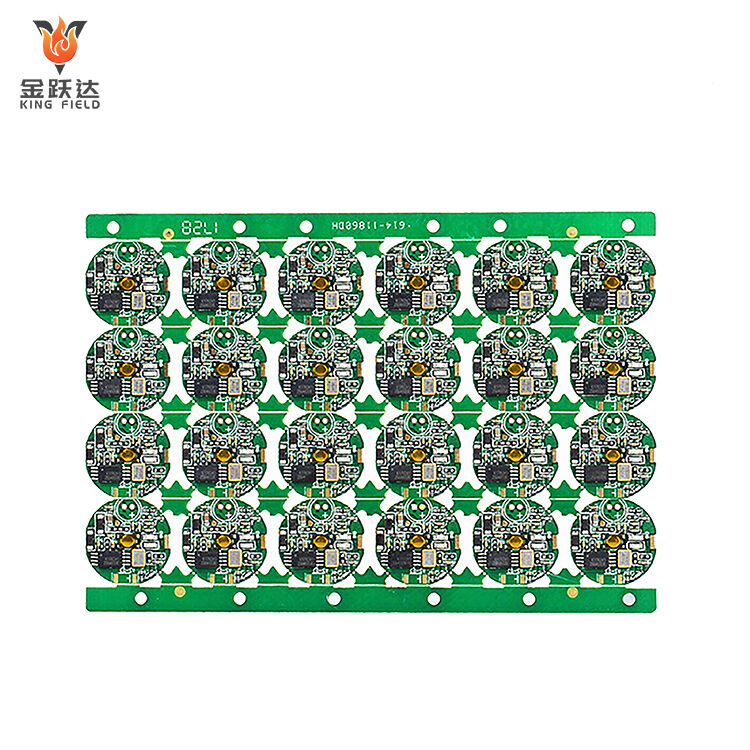
Miniaturization is a major factor behind innovations in the rapidly changing electronics market. Consumers want smaller, lighter, and more powerful products—from smartphones to health wearables, from IoT devices to high-end computers. The technology that has allowed all these trends is SMT circuit design and assembly. King Field is a reputed electronics manufacturer which has been using SMT circuit technology for developing small-sized, efficient, and powerful products. So what is the role of SMT technology in enabling miniaturization? Here is a look.
Understanding SMT Circuit Technology
SMT or Surface Mount Technology is a technique for mounting electronic components directly on the surface of printed circuit boards (PCBs) rather than inserting component leads through holes, as is done in through-hole technology. This new approach has led to:
- Smaller Component Sizes: SMT components, also known as SMDs (Surface Mount Devices), are generally much smaller than through-hole components. Now designers can make resistors, capacitors, and ICs in very small packages, sometimes even just a few millimeters in size.
- More Components per Unit Area: Since SMT allows the placement of components on both sides of the PCB and their proximity can be increased, engineers can fit a much larger circuit functionality in the same board area. This is especially important in the case of portable devices where space is limited.
- Automatic Assembly: SMT circuits are well-suited to automated pick-and-place machines which place very small components accurately. King Field’s production lines use advanced automation for maintaining precision even when the circuits are getting smaller, thus ensuring reliability along with supporting large-scale manufacturing.
How SMT makes Miniaturization Possible
Miniaturizing a device involves using smaller components as well as fine-tuning each and every level of the electronic system. SMT circuits assist in diverse ways as outlined below:
1. Efficient Use of Space
The use of through-hole components leaves more space empty because of the large size of component leads and the PCB holes. SMT comes in handy here by removing this limitation. The components can be made flush with the board enabling designers to do a layout that takes up the least space. This factor is directly responsible for thinner and lighter devices like fitness bands or foldable phones.
2. Multi-Layer PCBs
SMT circuits are compatible with multi-layer PCBs which besides stacking the circuit layers, also utilize the base layers for routing thus increasing functionality while the physical surface area of the PCB remains constant. King Field often employs multi-layer PCBs with a very high density of components in their SMT designs, which makes it possible for complex electronic good to be fitted even in very small cases. Besides functionality, multi-layer PCBs also enhance the quality of the signal and suppress electromagnetic interference which as per King Field being some of the factors that contribute to the performance of miniaturized devices.
3. Flexibility in Component Placement
The designers with the SMT facility are not bound by the component orientation or lead length restrictions. Components can be brought closer and arranged in a way that the space is used optimally. This flexibility has really helped the wearable devices, medical sensors, and small industrial control panels where every inch matters.
4. Improved Reliability
The downsizing of products typically results in reliability issues. However, SMT components that are soldered directly on PCB pads provide excellent mechanical strength. Moreover, fewer holes mean less stress points so that in case of vibration or thermal cycling the risk of the component detaching is minimized. King Field’s SMT components are tested extensively to verify that the miniaturized devices perform reliably even under extreme conditions.
5. Integration with Advanced Technologies
Keeping in view the potential of SMT circuits in combining very advanced electronic components such as microcontrollers, MEMS sensors, and high-frequency RF modules, their mere miniaturization has opened up a wide range of additional possibilities for engineers to integrate more features into the device without increasing its size which will be of prime importance especially in the case of next-generation IoT and compact medical electronics devices.
Examples of SMT Circuit Miniaturization in Practice
Here are some areas where SMT technology has made a huge difference:
- Consumer Electronics: Zuma smartphones, tablets, smartwatches, and other wearable devices use SMT to pack powerful processors, high-capacity memory, and multiple sensors into tiny enclosures.
- Medical Devices: Small pacemakers, insulin pumps, and compact imaging machines rely on SMT circuits to achieve precision without bulk.
- Industrial Automation: Smaller controllers and sensors make it possible to build a smart factory even in limited space.
- Automotive Electronics: Cars nowadays have many different functions implemented through electronics like navigation, safety features, and entertainment systems all of which rely on the high-density SMT circuits.
King Field is always at the forefront of using SMT circuit technology to produce miniaturized products for these industries. Their abilities encompass PCB design, procuring components and automated assembly resulting in devices that are both small and high-performing.
The Future of Miniaturization with SMT
The trend to have small-sized devices with a high level of complexity will never fade away and SMT technology will always be a driver of change and progress. New developments such as 3D SMT assembly, ultra-miniature IC packaging, and flexible PCBs will lead to the creation of even smaller, more powerful, and versatile devices. King Field is not only keeping up but is also helping its clients to realize the products that challenge the boundaries of miniaturized electronics.
Conclusion
SMT circuit technology is so much more than simply a way to produce electronic boards. In reality, it is the backbone of device downsizing in the present age. SMT allows electronic components to be placed very close to each other, thereby creating small footprints, enabling the integration of multiple layers, and allowing reliable automatic assembly so that today’s small, powerful electronics are made possible. King Field and other such companies continue to be at the forefront by helping designers and engineers bring smaller, smarter, and more capable devices to the market.
Since consumer expectations are increasing and demand for minute-sized products is rising, SMT circuits will continue to shape the future of electronics, one miniature component at a time.