
 EN
EN
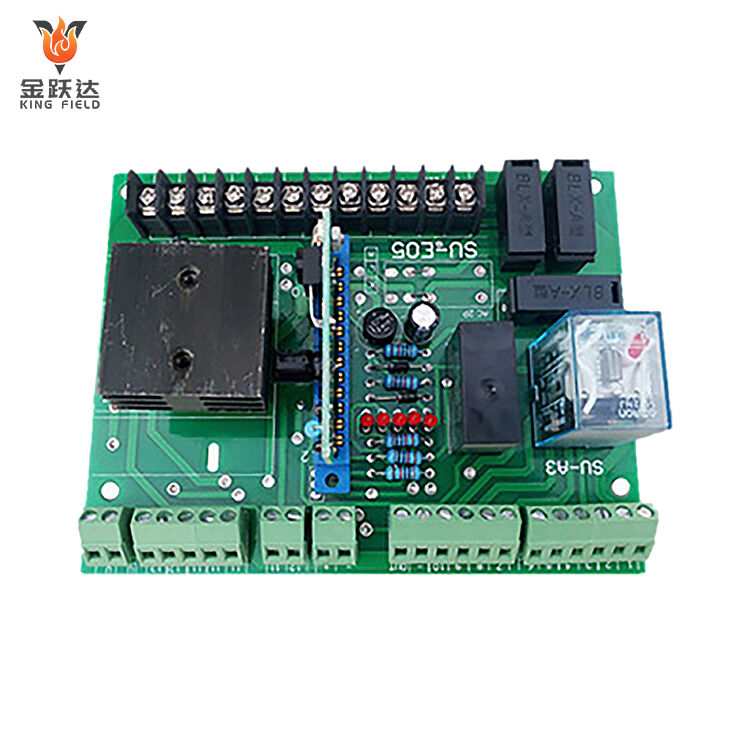
In the rapidly changing electronics industry, a lot of rely on new product features driven by smaller sizes, lighter materials, and top quality. Old-fashioned, stiff circuit boards cannot fulfill all the requirements anymore, especially for those devices which need to be flexible, very compact, and have complicated layouts. These are the cases when PCB assembly flexible solutions are really indispensable. Flex PCBs along with flexible assembly technologies are giving the engineers an opportunity to create products which are not only lighter and more resilient but also fit in the tiniest places which are normally thought to be unusable.
Still the question is: when should the manufacturers change their pcb assembly flexible solutions for conventional rigid boards? Knowing when is best to use which is quite an important factor for the companies to be able to perform optimization, cost cutting, and product competitiveness enhancing. King Field, which is a company that is heavily into the PCB manufacturing and assembly services is usually one of those companies that suggest flexible PCB assembly when the product/application has the traditional PCB limitations.
What Is PCB Assembly Flexible Technology?
PCB assembly flexible technology or simply flexible PCB assembly means sticking electronic components to flexible substrates for electronic circuits which are mostly made of polyimide or polyester. Rigid boards are not flexible at all and if bent, their wiring gets broken. On the other hand, flexible circuits can be bent, twisted, and folded without any issues with the electrical connections.
This feature of being able to flex comes in handy when there is a need to do away with large bundles of wires and many rigid boards by simply introducing an integrated flexible one. The end result is a sleek and efficient electronic system with a lesser number of connectors and enhanced reliability.
Flex PCB assembly finds use in many industries. Some of these are:
- Consumer electronics
- Medical equipment
- Automotive electronics
- Aerospace technology
- Wearable devices
With electronics demand for compact and high-performance products rising rapidly, flexible pcb assembly solutions have turned into an indispensable segment of the entire electronics manufacturing chain.
PCB Assembly Flexible Solutions - 5 Situations Where They Work the Best
1. Extremely Limited Space
Limited space inside a device is maybe the most frequent reason why one would actually decide for flexible PCB assembly. Compact packaging is a major concern with many of the modern devices such as smartphones, wearables, and other portable gadgets.
By simply bending and folding them around the components, flexible circuits allow designers to come up with multilayer circuit designs that can be incorporated into very small spaces. A flexible PCB can do it all in a lightweight single structure whereas otherwise you will have to stack rigid boards or join them with cables.
King Field and the likes usually resort to flexible PCB assembly when it is about very small gadgets where design efficiency and space optimization are of utmost importance.
2. Products That Require Movement or Bending
Electronic products that will be bent or moved frequently in operation are very common these days. In such cases, rigid PCBs will probably get broken at the solder joints or connectors.
Pcb assembly flexible is perfect for these sorts of on-the-go applications where motion cannot be avoided. Some examples of what is included in this group are:
- Laptop hinges
- Foldable smartphones
- Medical monitoring devices
- Robotics systems
- Automotive control panels
Flexible circuits have the ability to grasp that last bend and still perform without any loss, hence they are highly dependable for the motion-related applications.
3. When You Need to Lose a Few Pounds
Not only the fashion industry has been obsessed with weight loss and getting thinner. Weight is also an important factor in industries such as aerospace, automotive, and wearable technology before a product can reach the market. Besides being lighter than rigid boards by a large margin, flexible PCBs also do away with heavy connectors and wires.
Manufacturers can reduce the weight of the entire product by building circuits on flexible substrates while not compromising electrical performance at all. Here are some examples where it really matters:
- Drones
- Satellites
- Portable medical equipment
- Smart wearables
Designers do not necessarily need to give up functionality when making their systems lighter if only they use pcb assembly flexible technology.
4. When It’s Not Just the Price that Counts
Failure of connectors and cables still remains the main cause of system failure in traditional electronics which is mostly multiple connectors and cables based.
The good news is that flexible PCB assembly means drastically fewer interconnections because circuits are integrated in one structure only.
Less connecting means that there will be less of mechanical failures, signal integrity will be high, and overall durability will get a boost as well.
King Field as a prominent manufacturer always undertakes very tight quality control during the process of flexible PCB assembly so as ensuring long term reliability, even for the most demanding sectors like medical equipment or industrial automation systems.
5. When a Complex Circuit Design Is Needed
Flexible PCBs provide a triple win for engineers: they can create complex 3D electronic structures where rigid PCBs can only be flat, they can fold flexible PCBs into any shape, and wrap them around components.
The tremendous design freedom that comes from the ability to make a circuit layer conform to any shape will be especially appreciated in the world of advanced electronics where space for multiple circuit layers is always a problem.
Some examples are:
- Smart glasses
- Foldable displays
- Automotive dashboard electronics
- Advanced sensor systems
Flexible PCB assembly empowers designers to extend the limits of their creativity without the struggle against traditional board geometries.
The Benefits of PCB Assembly Flexible Solutions
Aside from facilitating the designs that are not normally doable, flexible PCB assembly can introduce some other very helpful aspects that can in the end reach both the manufacturers and the users of the products.
Making Products Last for a Long Time
Flex circuits are very good at handling shocks, vibrations, and stresses. As a result, they are quite the top choice for electronics operating in tough environments.
Better Electrical Performance
One of the benefits of flexible PCBs is that they provide shorter signal paths and eliminate the need for more connectors which can in turn improve signal transmission and reduce interference.
Making Product Assembly Easier
Despite the fact that flexible PCB initially can be hard to design, this type of boards assembly can really simplify final product assembly. Less cables and connectors mean less parts to install and maintain.
Offering More Design Possibilities
One of the big changes which engineers face by working with flexible PCBs is the fact that they can actually come up with electronics which fit the overall design of the product and not the other way around forcing product conformity to a rigid circuit board.
Industries That Have Highly Benefited from PCB Assembly Flexible Solutions
There are several big industries that are moving fast with the use of flexible PCB assembly due to the design features that this technology has to offer.
Consumer Electronics The smartphones, tablets, digital cameras, and the wearable devices are where flexible PCBs are mainly used.
Medical Devices Medical devices call for lightweight and dependable circuits which can fit into compact diagnostic equipment and wearable monitors.
Automotive Systems There are plenty of electronic modules, sensors, and display panels in modern vehicles that can be taken to a higher level with the help of flexible circuit designs.
Industrial Automation Robotics and control systems very often include moving parts, so flexible circuits prove to be very handy.
Besides the production of the pcb assembly flexible services that are standard compliant, King Field also helps to support the industries mentioned above in a high-precision manner.
Finding a Readily PCB Assembly Partner
Despite the many benefits that come with flexible PCB assembly, a successful project is mainly reliant upon a good PCB assembly partner to work with. The important traits of a PCB assembly provider include:
- Up-to-the-minute manufacturing equipment
- Highly qualified engineering personnel
- Strict quality control procedures
- Assistance with custom design
- Ability to produce quickly
Having a manufacturer who is experienced definitely will be able to deliver quality performance of flexible PCB designs while also keeping costs at bay.
King Field, a company well-versed in electronic manufacturing, offers pcb assembly flexible solutions that are geared towards meeting the specific needs of global customers at a personalized level.
Ending
Flexible PCB assembly has established itself as a key electronic manufacturing technology in the present day.
Moving towards miniaturization, weight reduction, and increased sophistication has put the traditional rigid circuit boards on a spot where they can hardly fulfill the design requirements.
Choosing pcb assembly flexible technology can be of great help especially when the miniaturization requirement is high, the product is going to be subjected to a lot of movements, lightweight construction is a must, the highest reliability may be needed, or complex circuit configurations are implicated.
Companies can rely on partnering with professional and competent pcb assembly manufacturers like King Field for implementation of up-to-date flexible PCB assembly technologies and that way be able to produce electronic devices capable of distinguishing themselves in today's competitive market.
As creativity and performance are the criteria that continuously drive industries, pcb assembly flexible solutions will be one of the principal sources of electronic product innovation for the generations to come.